The Catholicate of the
Malankara Orthodox Syrian Church
The Catholicate is the ancient office of head of the Malankara Orthodox Syrian Church — apostolic heritage, national identity, and full autonomy as a self-governing Orthodox Church.
Catholicos means "general head" or "general bishop" — often described as equivalent to a universal bishop. The title is older than Patriarch in the wider Church. Outside the Roman Empire, regional heads were frequently called Catholicos; ancient sees included the East (Persia), Armenia, and Georgia.
In India the title was new in the 20th century, but the idea of a national head was ancient: as St Peter is remembered at Rome, St Thomas is remembered as the first head of the Indian Church. Apostolic authority continued through local leadership — later the Archdeacon, then the Malankara Metropolitan, and from 1912 the Catholicos and Malankara Metropolitan in one person.
Authority in the Malankara Church.
How the office of Catholicos grew from local apostolic leadership.
Apostolic ministry (to c. 4th century)
From St Thomas until the mid-4th century, the Church's authority rested with the Archdeacon — the chief prelate, known in Malayalam as Jathikku Karthavyan, leader of the community in spiritual and civic life.
The Archdeacons (c. 4th–16th century)
For centuries the Pakalomattom family supplied chief prelates. Marthoma VIII (early 19th century) told the Madras government that from AD 335 until the Coonan Cross Oath the Church was ruled by Archdeacons of that line — continuity of apostolic headship in Malankara.
Bishop to Catholicos (1653–today)
After the Coonan Cross Oath the Archdeacon was ordained bishop as Mar Thoma I (1653). The head became Marthoma Metran, then Malankara Metropolitan (from 1816). In 1912 the Church consecrated its senior metropolitan as Catholicos; in 1934 the Malankara Association entrusted the metropolitan's powers to the Catholicos — spiritual and temporal authority united in one person.
On the way to the Catholicate.
Selected dates from the reference histories.
Marthoma VIII: from AD 335 until the Coonan Cross, the Church was ruled by Archdeacons of the Pakalomattom family.
Portuguese brought the Archdeacon briefly under the Roman Archbishop.
Community revolt; Archdeacon ordained as Mar Thoma I — turning point for episcopal headship.
Royal Proclamation to Pulikottil Joseph Mar Dionysius; the head of the Church took this title.
Patriarch Peter III presided; seven dioceses created — tension over metropolitan authority.
Patriarch demanded a deed of allegiance; metropolitan refused; excommunicated 31 May 1911.
15 September, St Mary's Niranam: Mar Ivanios consecrated as Baselios Paulos I.
The Malankara Association entrusted the Malankara Metropolitan's authority and powers to the Catholicos — spiritual and temporal headship united in one person.
Constitutional bench recognised the Catholicate; Indian Church free under the Catholicos of the East.
The Church has always held that St Thomas had his apostolic throne in India, as St Peter in Rome or Antioch. When the Catholicate was established, the Catholicos took the title "Successor of the Apostolic Throne of St Thomas."
From Archdeacon to Malankara Metropolitan
In early centuries the Indian Church, like Ethiopia, Armenia, and Georgia, kept autonomous life under a local head. When the Portuguese arrived they found an administratively independent community in Kerala.
After the Coonan Cross Oath, Antiochene help confirmed Mar Thoma I (1665). The 19th century brought greater recognition to the metropolitan's office: the Royal Proclamation of 1816, the seminary at Kottayam (1815), and the difficult CMS experiment (1816–1836). Mar Dionysius V stood at the Synod of Mulanthuruthy (1876), where the Patriarch of Antioch increased his influence and divided the Church into seven dioceses — a prelude to the struggle over who would lead Malankara.
1912 and the Supreme Court
The Church sought a Catholicate partly to secure internal freedom from unnecessary outside interference. When Mar Dionysius VI refused to sign a deed of perfect allegiance, he was excommunicated (1911). The Malankara Church turned to Patriarch Abdedmassiah, who presided over the synod that chose Mar Ivanios of Kandanad. On 15 September 1912 at Niranam he was consecrated as Baselios Paulos I, first Catholicos of Malankara — the Indian Church asserting full autocephaly.
Succession continued: Baselios Geevarghese I (1925), Baselios Geevarghese II (1929). Litigation over validity reached the Supreme Court of India; on 12 September 1958 the constitutional bench recognised the Catholicate and declared the Malankara Church free under the Catholicos of the East. Later, Catholicos and Patriarch exchanged letters under the Church's constitution (December 1958).
Succession of Catholicoses since 1912 — see /the-catholicose.
Consecration at Niranam.
At St Mary's Church, Niranam — founded in the tradition of St Thomas — Mar Ivanios Metropolitan was consecrated as Baselios Paulos I, first Catholicos of Malankara, with Patriarch Abdedmassiah as chief celebrant.
Malankara Orthodox Church.
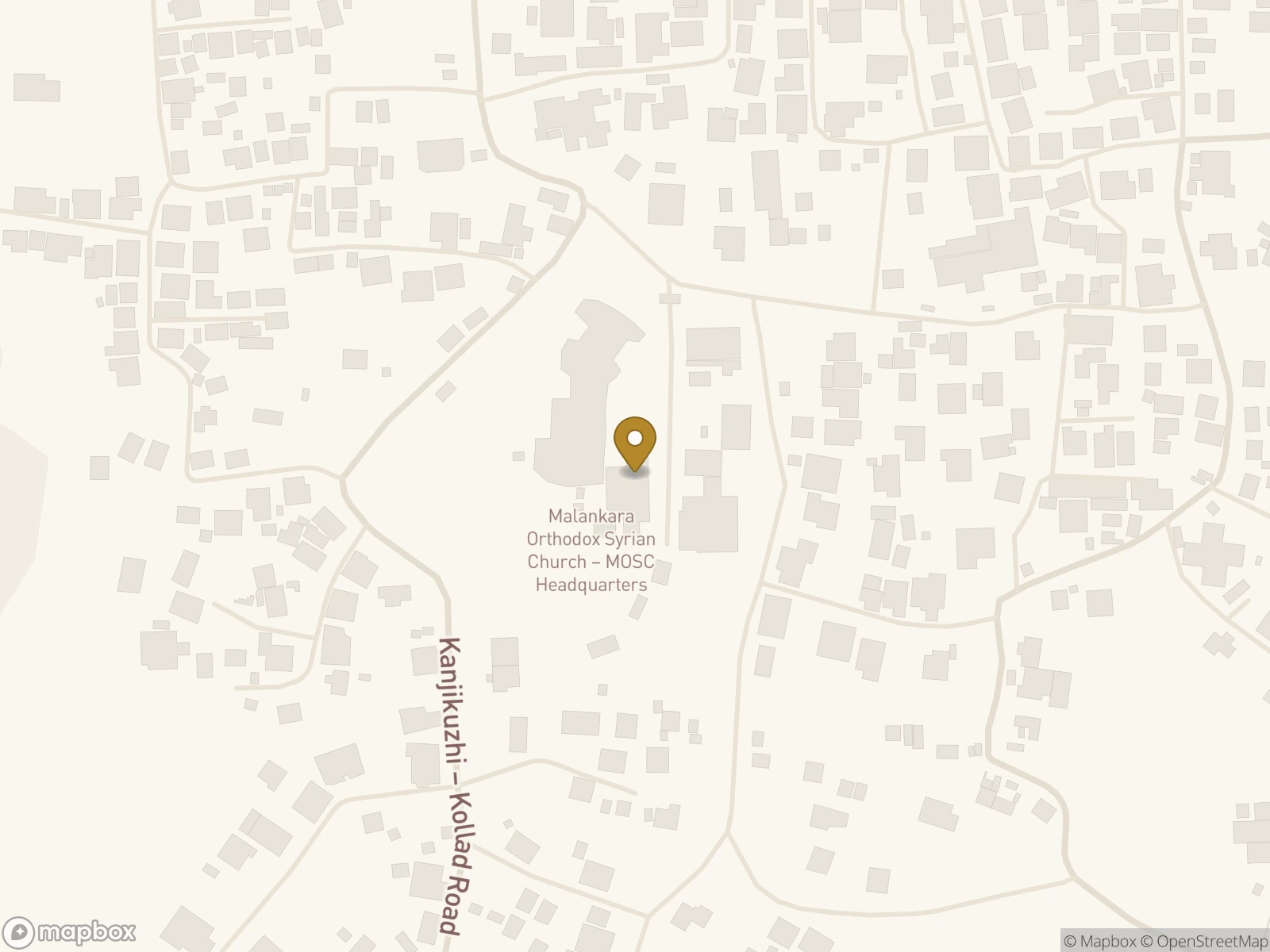
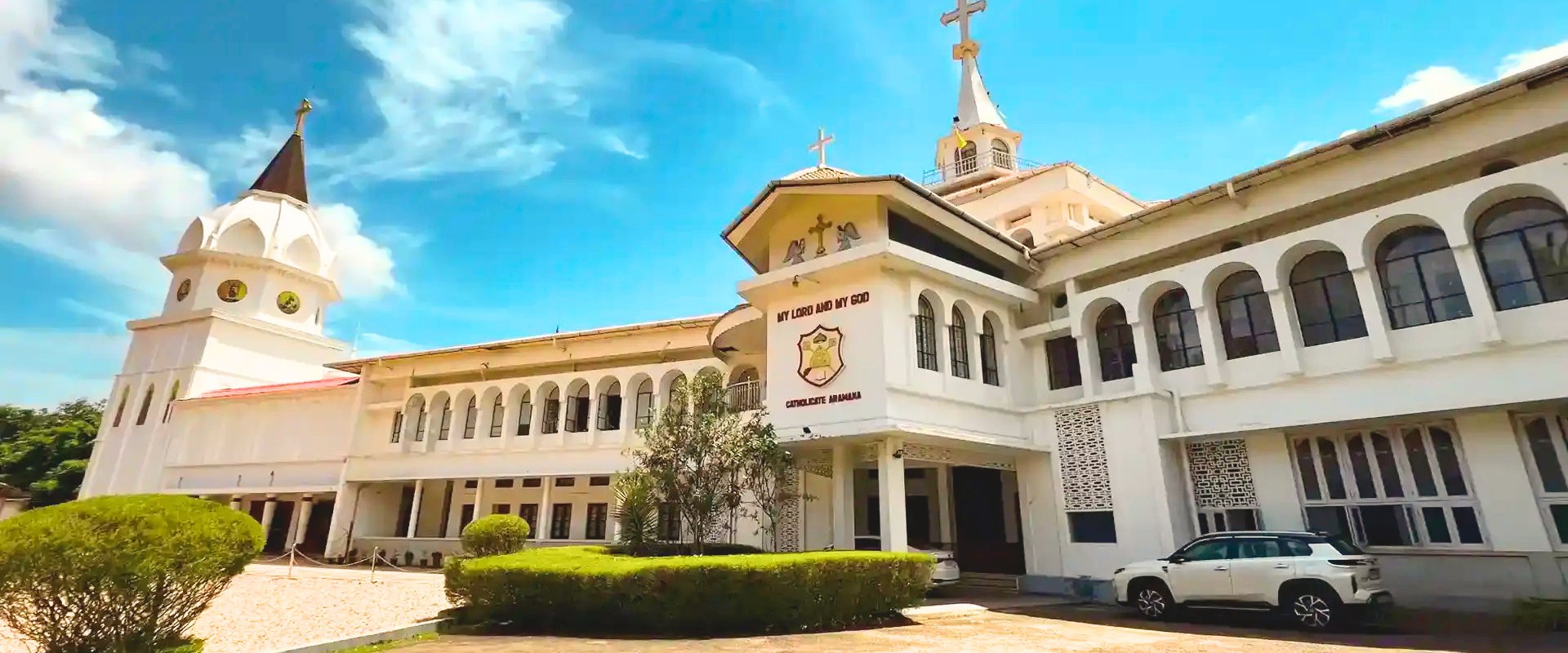
Catholicate Palace — seat of His Holiness the Catholicos of the East and Malankara Metropolitan.
Devalokam P.O., (Via.) Muttambalam
Kottayam – 686 004
Kerala, India
2578499